Cash flow problems rarely begin with a lack of sales alone. More often, they begin with delayed information, partial records, and decisions made a week or a month too late.
That is why cloud accounting has become so valuable for UK businesses. It changes accounting from a backward-looking record into a live operating system for cash, giving business owners, finance teams, and advisers a clearer view of what is coming in, what is due out, and where pressure is building.
Why cash flow visibility matters in cloud accounting?
Cash flow visibility means being able to see your current cash position, expected receipts, upcoming payments, and tax liabilities with enough clarity to act early. That sounds simple, yet many businesses still work with fragmented data from spreadsheets, paper receipts, separate banking apps, and delayed bookkeeping.
The result is familiar. Sales may look healthy, but cash remains tight. VAT deadlines appear to arrive suddenly. Debtors drift beyond terms before anyone notices. Supplier payments are approved without a current view of bank balances. None of this is unusual, especially in growing businesses where finance processes have not kept pace with activity.
Recent commentary from ICAEW points to a wider issue. It reported that 98% of survey respondents lacked confidence in their company’s cash flow visibility, while 37% said real-time cash flow insight was critical when responding to unpredictable market conditions. That gap between need and confidence is exactly where cloud accounting helps.
How cloud accounting creates real-time cash flow visibility?
Cloud accounting systems pull financial information into one place and keep it current. When bank feeds, sales invoices, purchase bills, expenses, payroll data, and VAT records sit inside the same system, the picture becomes much easier to read.
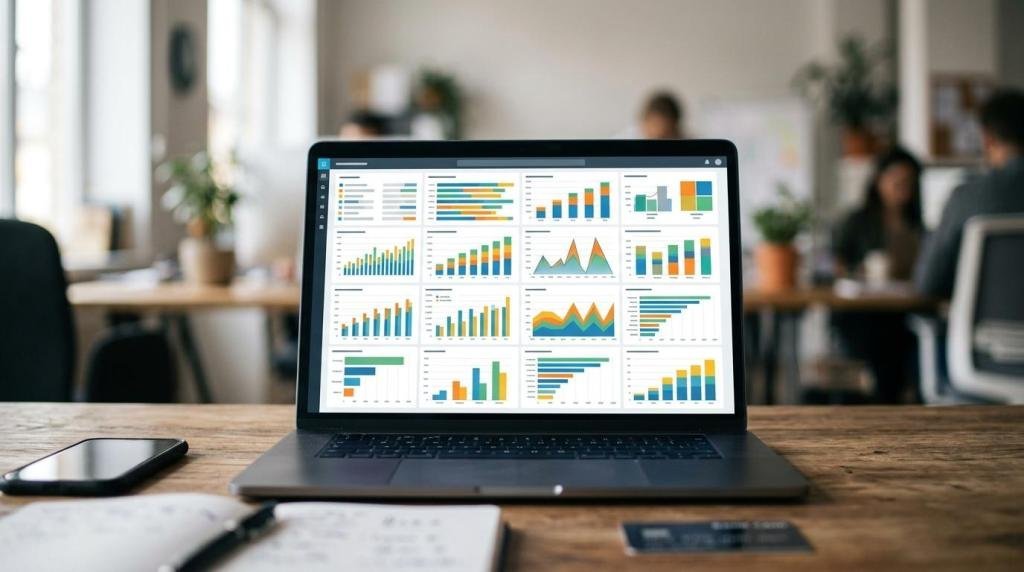
Instead of waiting until month end, businesses can review current balances, aged receivables, creditor positions, and tax estimates during the week, sometimes within hours of activity taking place. That speed matters because cash issues usually show up first in patterns, not in annual accounts.
A cloud platform also improves visibility because several people can work from the same live data. A director can review dashboards, a bookkeeper can code transactions, and an accountant can check anomalies or produce cash flow analysis without passing files backwards and forwards. Academic research has also linked cloud accounting with remote access and real-time collabouration, which supports quicker responses when the numbers start to move.
The contrast with older methods is clear.
| Area | Traditional accounting approach | Cloud accounting approach |
|---|---|---|
| Bank position | Checked manually, often after delays | Updated through bank feeds and reconciliations |
| Sales ledger | Spread across spreadsheets or separate systems | Live invoice status and debtor tracking |
| Purchase bills | Paper based or entered in batches | Digital capture and quicker approval workflows |
| VAT view | Estimated late in the cycle | Running VAT position visible during the quarter |
| Adviser input | Periodic, file sharing required | Shared access to current records |
| Cash forecasting | Built from historic reports | Built from current data and live assumptions |
That shift from static to current information gives management a stronger basis for action. Chasing overdue invoices on day 35 instead of day 70 can change the month. Spotting a VAT payment building in real time can stop a last-minute squeeze. Seeing payroll, rent, and supplier commitments against likely receipts makes short-term planning far more dependable.
Key cloud accounting features that support cash flow management
Not every feature has the same impact on cash flow. The strongest gains usually come from a handful of tools used consistently and backed by disciplined bookkeeping.
- Bank feeds
- Live debtor reports
- Purchase bill tracking
- Receipt capture apps
- Cash flow dashboards
- Forecasting tools
Used together, these tools reduce the lag between commercial activity and financial visibility. That lag is often the real cost in manual finance processes.
VAT timing and cash flow visibility for UK businesses
VAT is one of the clearest examples of how accounting method affects cash flow visibility. Under normal VAT accounting, businesses generally account for VAT based on sales and purchase invoices, even when those invoices have not yet been paid. That can create strain when output VAT is due before customer cash has arrived.
HMRC’s VAT Cash Accounting Scheme changes that timing. Under the scheme, businesses pay VAT on sales when customers pay them, and reclaim VAT on purchases when suppliers have been paid. For eligible businesses, that can make the VAT profile more closely reflect real cash movement.
At the time of HMRC’s current guidance, businesses can join the scheme if their VAT taxable turnover is £1.35 million or less.
Cloud accounting makes this easier to manage because the software can track invoice dates, payment dates, VAT treatment, and return periods within one system. That helps finance teams see not only what VAT is due, but why it is due and when the related cash actually moved.
The practical difference looks like this:
- Invoice-based VAT: VAT can become payable before the customer has settled the invoice.
- Cash accounting scheme: VAT is generally paid when the customer has paid you.
- Purchase input VAT: Recovery timing also follows payment status under the cash accounting scheme.
- Cash flow effect: VAT outflows may feel more manageable when payment timing mirrors trading cash.
This does not mean the scheme is right for every business. A business with fast-paying customers and slower supplier payments may prefer standard accounting in some cases. The value lies in having clear data and a current view, so that the choice is informed rather than reactive.
Digital records and Making Tax Digital improve financial visibility
Cloud accounting is not only about convenience. It also supports the wider move towards digital records and MTD-compatible software, which has direct value for cash flow oversight.
HMRC’s guidance for Making Tax Digital for Income Tax says taxpayers must create and store digital records for self-employment and property income and expenses. Those records need to include the amount, the date income was received or the expense incurred, and the category. If someone signs up partway through the tax year, HMRC says they must catch up from the start of that year.
That discipline matters. When records are created digitally and kept current, the finance picture becomes more reliable. Missing expenses, duplicated payments, unrecorded receipts, and late entries do not just affect tax compliance. They also distort day-to-day cash reporting.
For sole traders, landlords, and partnerships, the benefit is often immediate. A cloud system can show rental income trends, recurring property costs, seasonal swings, and upcoming tax obligations in a format that is easier to review than a pile of statements and receipts.
For growing SMEs, digital records support stronger internal control. A business can compare actual cash receipts against forecasts, track spending by category, and spot margin pressure earlier. That is a practical gain, not just a compliance one.
Cloud accounting integrations improve cash flow forecasting
A live accounting ledger is powerful on its own, yet the best visibility often comes when it is connected to the rest of the business. Research has pointed to the value of linking cloud accounting with ERP and CRM systems, improving data consistency and giving decision-makers broader financial context.
If a sales pipeline sits in a CRM but never feeds into cash forecasting, future receipts may be overstated. If stock purchasing sits in a separate inventory tool, working capital pressure may build without clear warning. Integration reduces those blind spots.
A better connected setup can support questions like these:
- Sales pipeline: Which invoices are likely to be raised in the next 30 days?
- Debtor performance: Which customers are paying later than agreed terms?
- Inventory levels: Is cash being tied up in slow-moving stock?
- Payroll and overheads: What fixed outflows are non-negotiable this month?
- Project delivery: Are costs being incurred ahead of billing milestones?
This is where cloud accounting becomes more than bookkeeping software. It becomes a control point for cash planning across the business.
Common cash flow blind spots cloud accounting can remove
Even profitable businesses can lose visibility when the process behind the numbers is weak. Cloud accounting helps remove several recurring blind spots, provided the data is entered properly and reviewed regularly.
Late invoicing is a good example. If work is completed but invoices are raised days or weeks later, cash collection is pushed back before the business even starts chasing payment. A cloud system with workflow reminders can tighten that cycle.
Another blind spot is overdue debt hidden inside a growing sales ledger. Revenue may rise while actual collections weaken. Live aged receivables make the issue visible much sooner.
Then there is the tax blind spot. VAT, PAYE, and corporation tax can look manageable in isolation, yet together they create a material cash commitment. When tax liabilities are tracked inside the same digital system as routine trading activity, they are less likely to arrive as a surprise.
Supplier commitments matter too. A business that approves bills without a current view of cash and forecast receipts can create avoidable pressure. Better purchase tracking improves timing, not just record keeping.
Practical steps to strengthen cash flow visibility with cloud accounting
Software alone will not fix a cash flow problem. What matters is the setup, the discipline of maintaining records, and the quality of the reporting built around the system.
A sensible rollout usually starts with a review of where cash data currently sits, what is missing, and which decisions need quicker information. For one business, the priority may be debtor collection. For another, it may be VAT timing, project billing, or short-term forecasting.
From there, the aim should be a simple but reliable structure.
- Choose the right platform: Use MTD-compatible software that suits transaction volume, reporting needs, and the complexity of VAT and payroll.
- Connect the core data sources: Bank feeds, invoicing, expense capture, and purchase bills should sit inside one process rather than several disconnected ones.
- Set reporting routines: Review debtors, creditors, bank balances, and tax positions weekly, not only at month end.
- Build a practical forecast: Base it on live receipts, committed payments, payroll dates, and known tax deadlines.
- Get specialist input: Setup, controls, VAT treatment, and cash flow analysis are stronger when reviewed by experienced accountants who work with digital systems daily.
For businesses that want a more structured finance function without building a large in-house team, outsourced support can be a strong fit. Services that combine cloud bookkeeping, VAT management, real-time reporting, and cash flow analysis can give directors clearer information without slowing the business down. CBM Accounting Ltd, for example, works with cloud accounting platforms including Xero and QuickBooks, supports digital bookkeeping and VAT processes, and provides reporting, forecasts, budgets, and cash flow analysis for businesses that need current financial insight.
The real value is not in having more data on screen. It is in being able to ask better questions at the right time, then act while there is still room to choose.